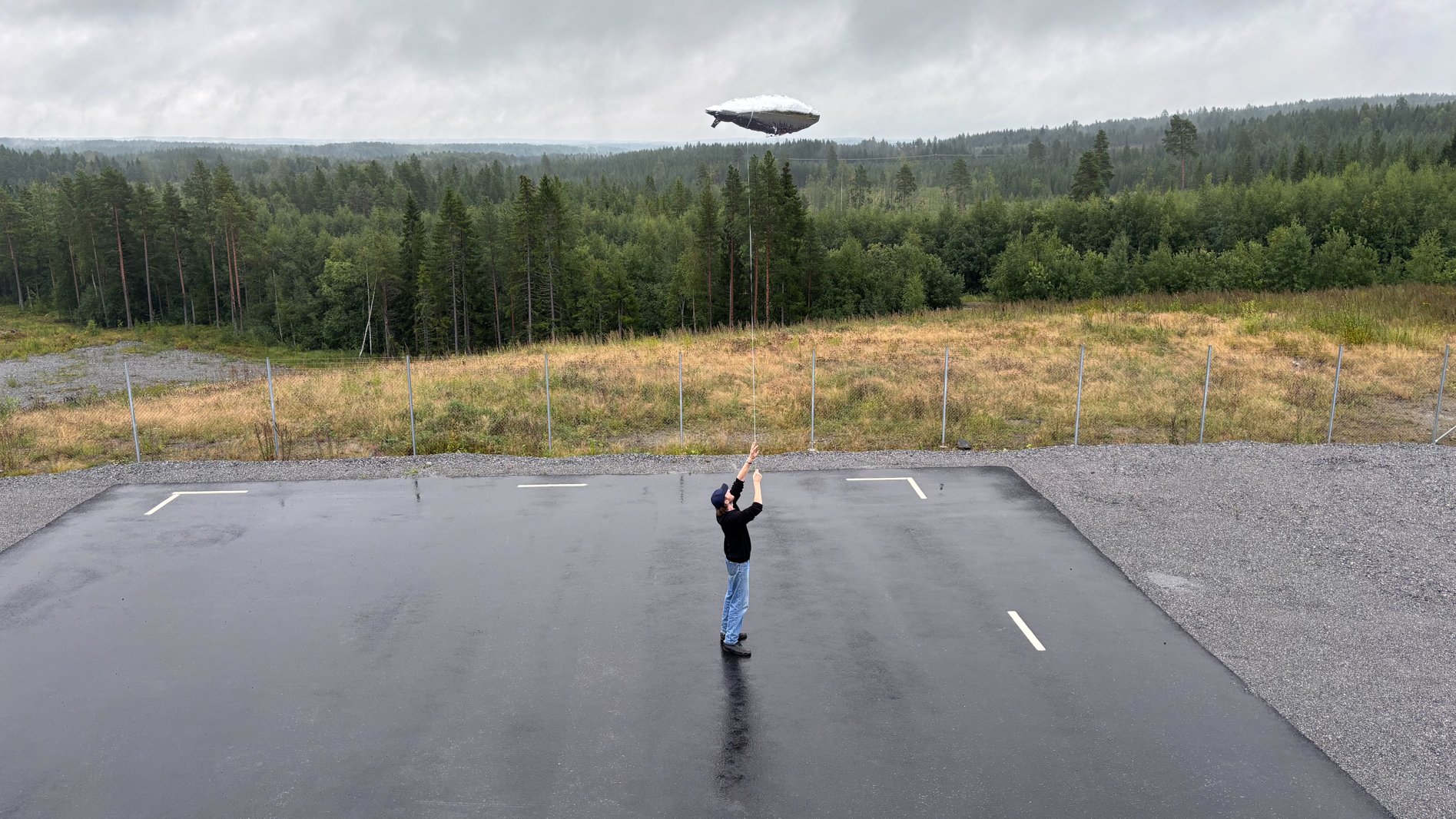
From Testing to Real World Operations: The Next Steps for Sustainable Aviation
Electric aviation
13 Nov 2026Sustainable aviation technology is advancing rapidly, but bringing new solutions into operation requires more opportunities for testing and validation in real world environments. This was one of the key messages at Flight Plan 2026, held in Visby on 11 and 12 November. Arctic Aviation Hub attended to gain insights into industry developments and discuss the next steps towards a more sustainable aviation sector.
-
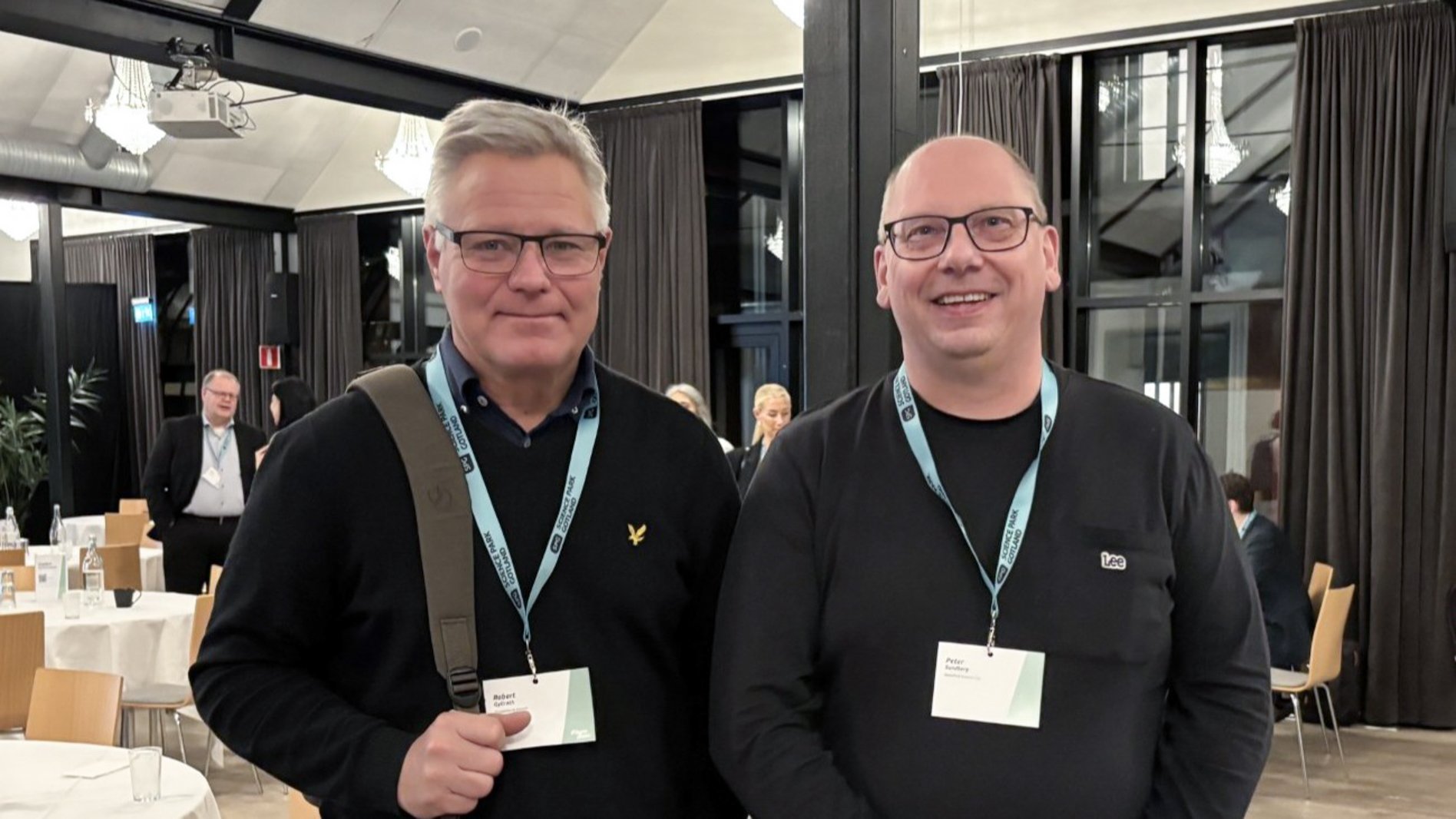
Robert Gyllroth, Örnsköldsvik Airport, and Peter Sundberg, Skellefteå Science City/Arctic Aviation Hub.
-
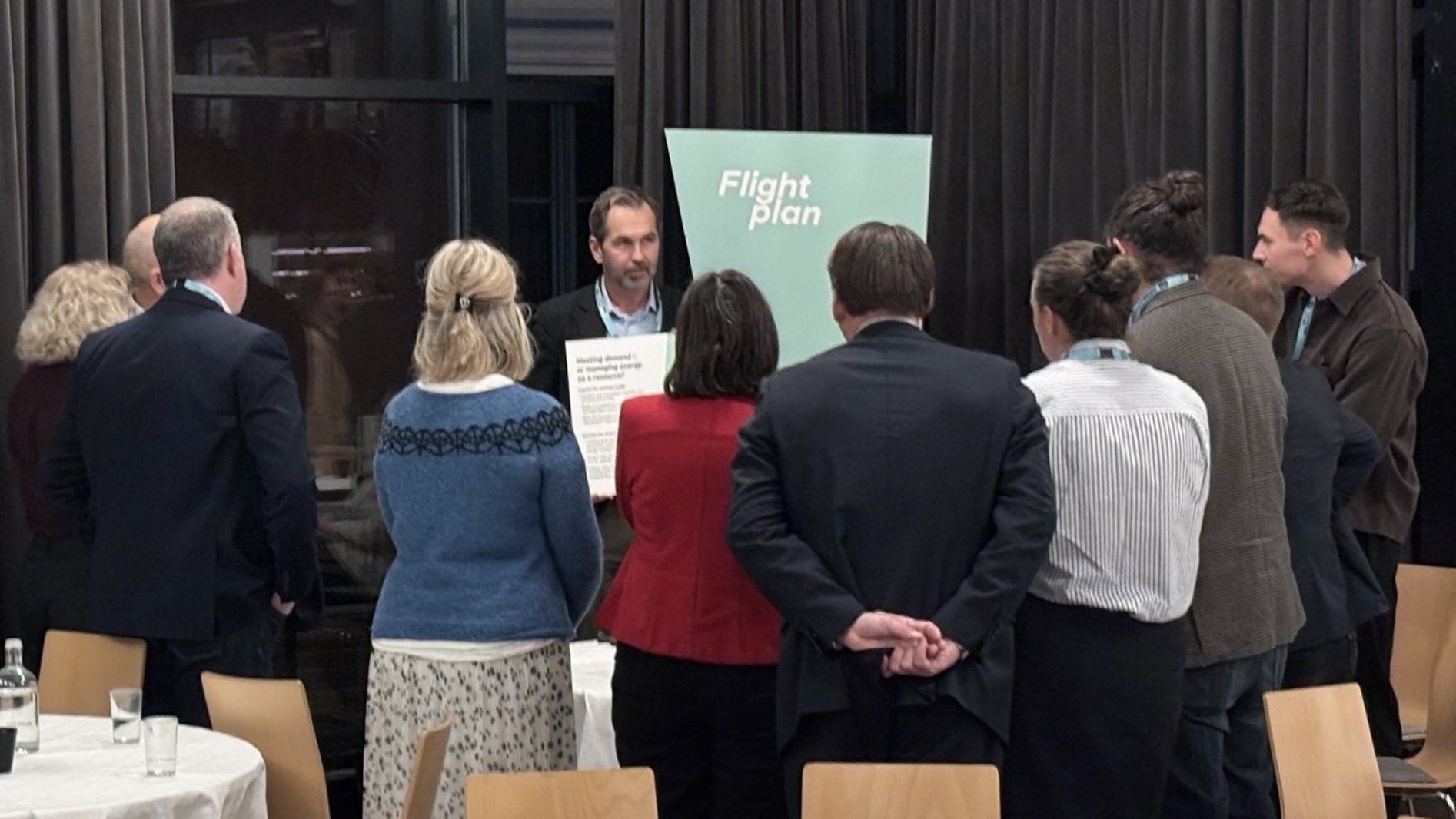
Group work.
-
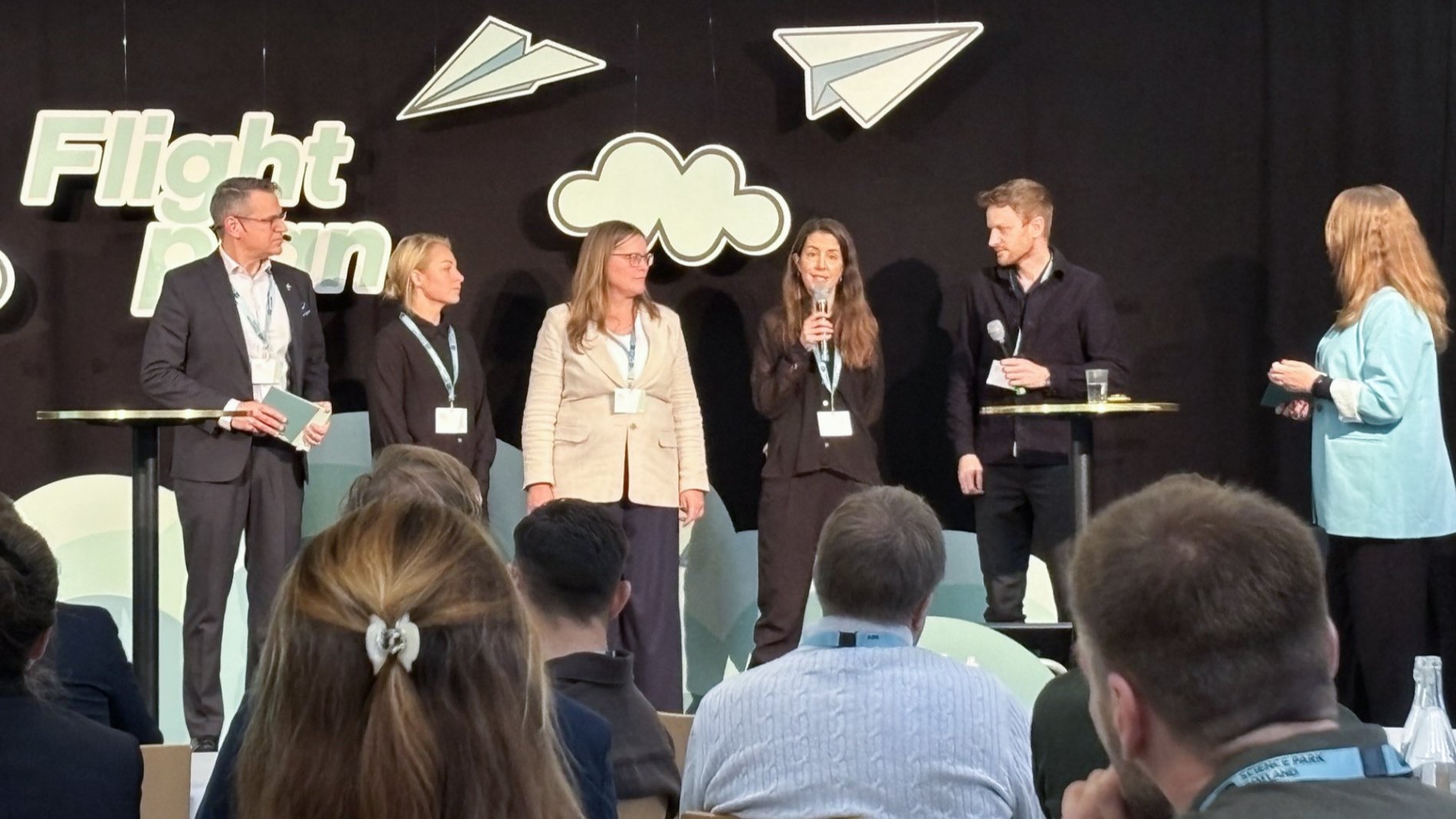
Presentations.
-
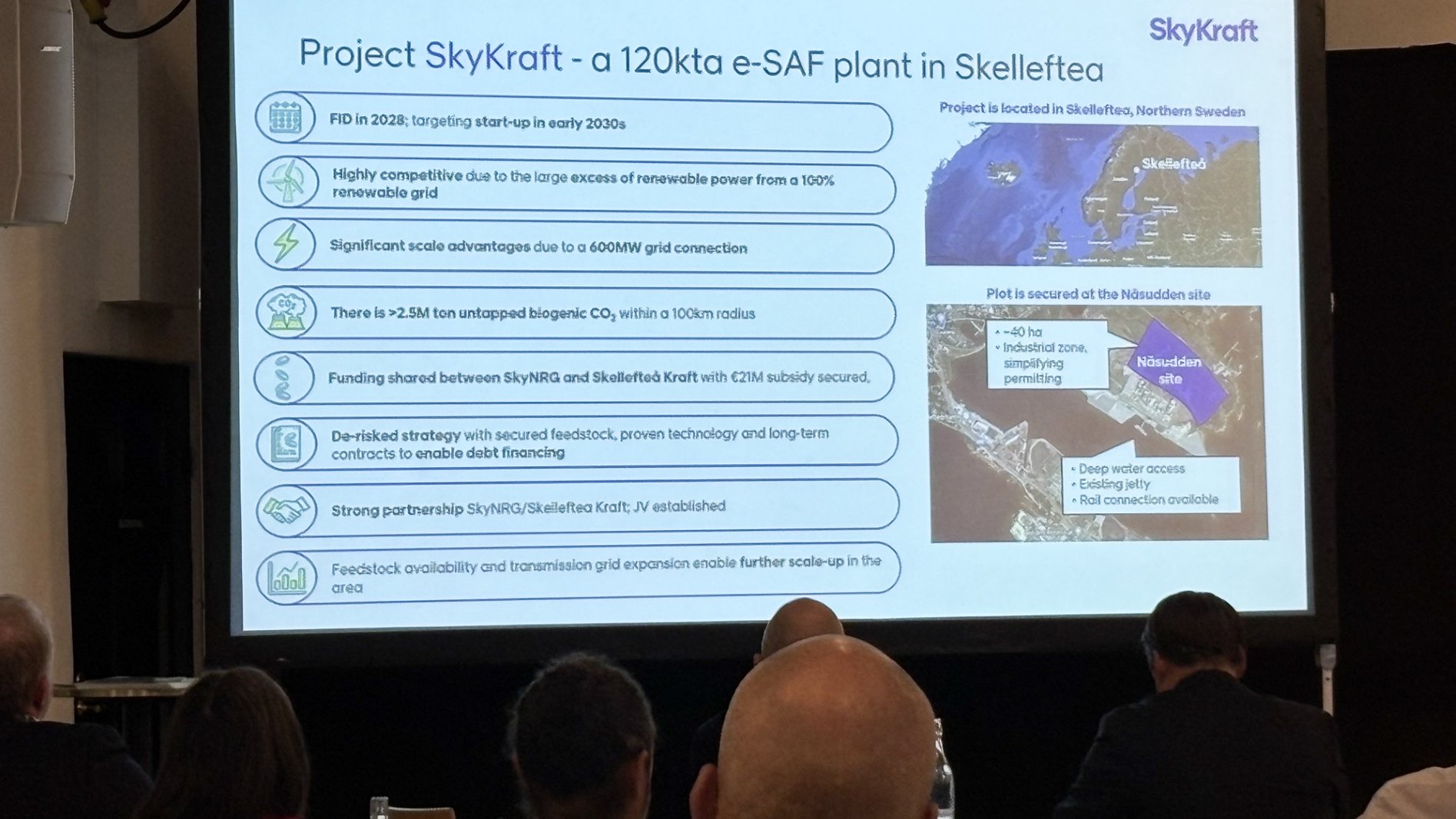
SkyKraft presentation.
The aviation industry is undergoing a major transition. New technologies and sustainable aviation fuels are developing rapidly, while the sector faces growing demands for regional connectivity, resilience and economic sustainability. One message was clear throughout the conference: bringing new solutions into operation requires viable business models and opportunities to test technologies in real world conditions.
Regional Connectivity and Resilience Are Becoming Increasingly Important
The importance of aviation for regional development and societal resilience was a recurring theme. Charlotte Petri Gornitzka, Governor of Gotland, highlighted how island communities and geographically remote regions depend on reliable air connections for transport, business activities and essential public services.
At the same time, regional aviation faces significant economic challenges. Montserrat Barriga from the European Regions Airline Association described how rising costs, geopolitical tensions and declining passenger numbers are affecting regional air routes across Europe.
“There was a strong focus on regional connectivity and resilience. Sustainability remains a central issue, but many speakers also highlighted aviation’s importance for essential public services, businesses and regional development. For regions such as northern Sweden, these issues will become increasingly important,” says Peter Sundberg, Skellefteå Science City.
Sustainable Aviation Fuels and Electric Aviation Gain Momentum
Sustainable Aviation Fuel (SAF) was one of the conference’s main topics. Increasing production is essential, but high costs and uncertain market conditions remain significant challenges.
Of particular interest to Skellefteå was SkyKraft’s presentation of its plans to produce synthetic sustainable aviation fuel (eSAF) in Skellefteå. Access to fossil free energy, available land and industrial expertise were highlighted as important factors supporting the planned development.
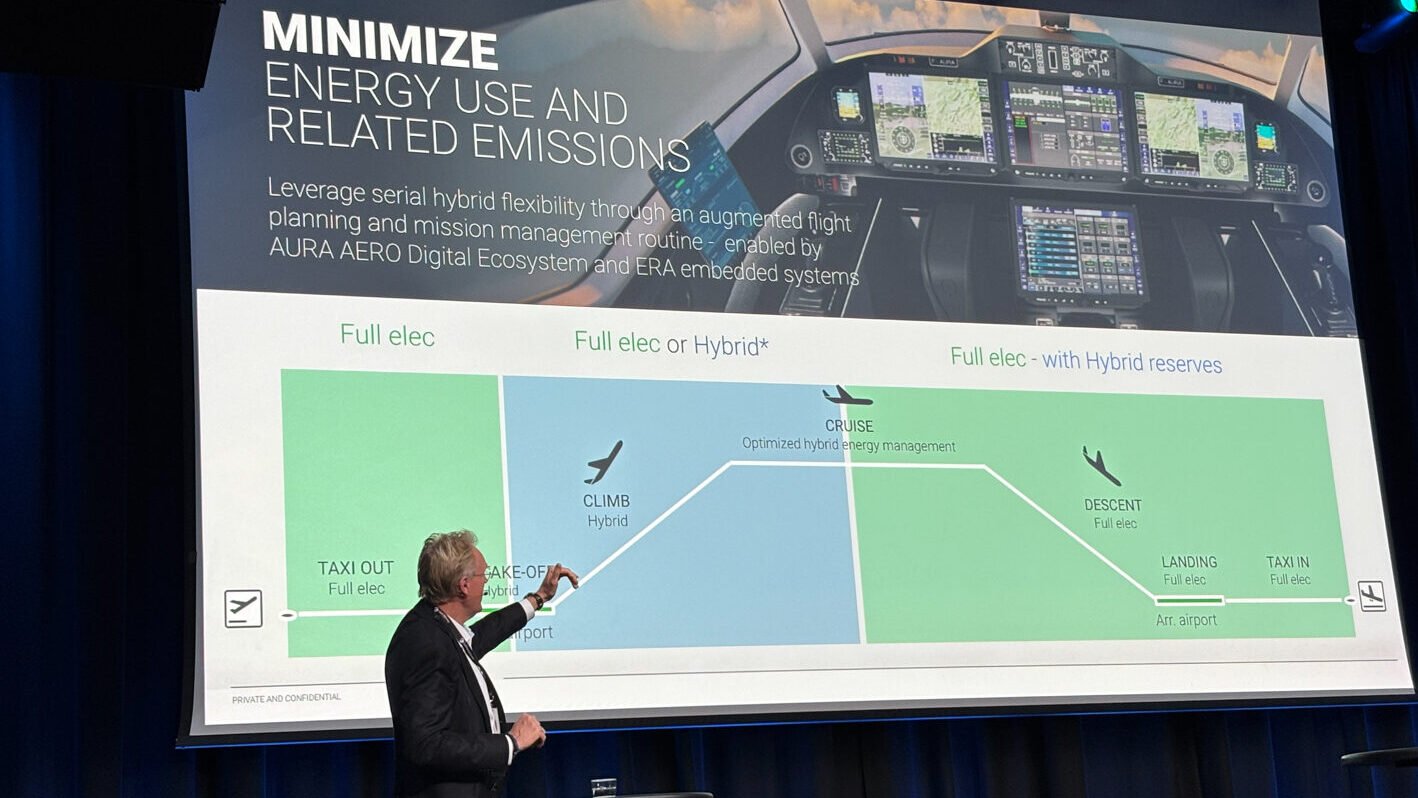
Electric aviation is also progressing. Heart Aerospace presented its work on a hybrid electric aircraft designed to carry 36 passengers, with the ambition of having the aircraft airborne by 2028.
Several aircraft manufacturers and operators emphasised the need to demonstrate these technologies in real world operations. Demonstration projects, actual customers and commercially viable business models will be essential before new solutions can be introduced on a larger scale.
Test Environments Are Key to the Next Stage
One of the clearest messages from the conference was the need to move beyond technology development towards testing, validation and practical implementation. Innovation environments and test facilities play an important role in enabling companies, airports, researchers and public sector organisations to develop and evaluate new solutions together.
This closely aligns with the work of Arctic Aviation Hub, an initiative led by Skellefteå Science City. The hub develops opportunities to test and demonstrate sustainable aviation technologies and drone solutions, helping new innovations move towards practical applications.
“Whether you listened to aircraft manufacturers, airlines or investors, the same message kept coming up: technology is developing rapidly, but we need real world use cases and sustainable business models. For us, this clearly reinforced the value of developing test and demonstration environments where new solutions can be validated in practice,” says Peter Sundberg.
Collaboration Will Shape the Future of Aviation
The conference also highlighted the importance of long term policy frameworks and investment in aviation infrastructure. Discussions included the state’s responsibility for regional airports and air services that are essential to society.
A key conclusion from Flight Plan 2026 was that several solutions must be developed in parallel. Sustainable aviation fuels, electrification, new infrastructure and testing activities all have important roles to play in the transition.
For Arctic Aviation Hub and Skellefteå Science City, the conference confirmed that ongoing initiatives in Skellefteå are closely aligned with the industry’s emerging needs. With access to an airport, fossil free energy, industrial expertise and test facilities, Skellefteå is well positioned to contribute to the development of sustainable aviation.
About Arctic Aviation Hub
Arctic Aviation Hub is a strategic initiative led by Skellefteå Science City and forms part of our mission to accelerate innovation by creating opportunities for new technologies to be developed, tested and put into practice.
Through Arctic Aviation Hub, we are developing Skellefteå as a test environment for sustainable aviation, focusing on electric aircraft, drones and autonomous systems. The hub brings together businesses, researchers and public sector organisations to test new solutions, build partnerships and support the aviation industry’s transition towards sustainability.
Arctic Aviation Hub is funded by Skellefteå Municipality, Skellefteå Airport and Skellefteå Kraft.
Contact
Senior Project Manager
Share the article, copy the link
Latest news
10 Nov 2026
Drone training now underway at Skellefteå Droneport
More organisations are using drones in their operations. At the same time, operating drones safel...
Electric aviation
29 Oct 2026
Advancing Sustainable Regional Aviation – ZERAC 2026
How can promising aircraft concepts become commercially viable transport systems? This was one of...
Drone
02 Sep 2026
Hydrogen powered airship tested at Skellefteå Droneport
More than a century old aviation technology is being given new life as Elias Lingensjö develops a...