Advancing Sustainable Regional Aviation
Electric aviation
29 Oct 2026How can promising aircraft concepts become commercially viable transport systems? This was one of the key questions discussed at the Zero Emission Regional Aviation Conference (ZERAC) 2026 in Oslo, attended by Peter Sundberg from Skellefteå Science City and Arctic Aviation Hub.
-
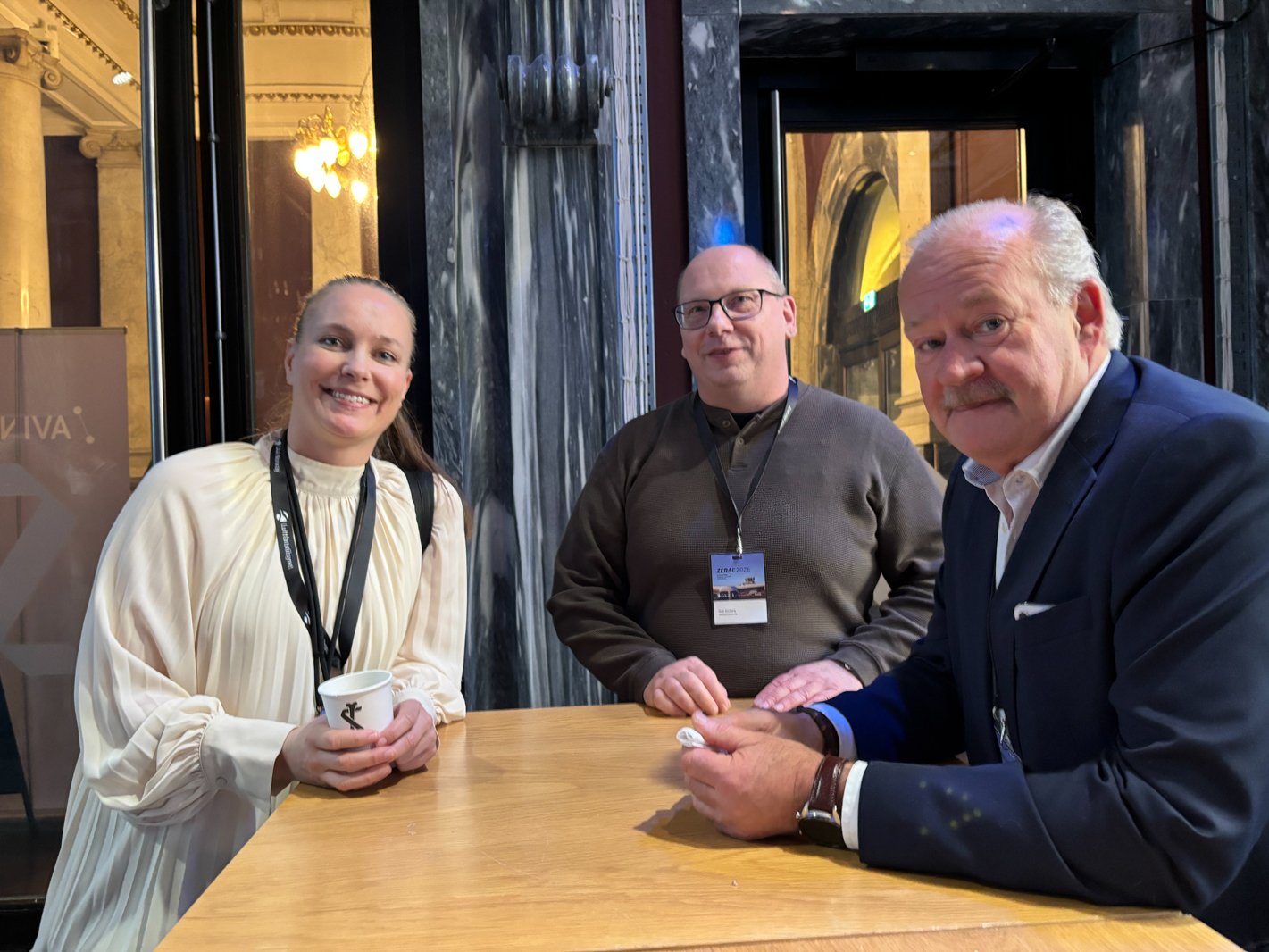
Jenny Hagberg, Svenskt Industriflyg, Bromma Airport; Peter Sundberg, Skellefteå Science City; and Stig-Göran “Sigge” Forsman, Kokkola-Pietarsaari Airport.
-
-
-
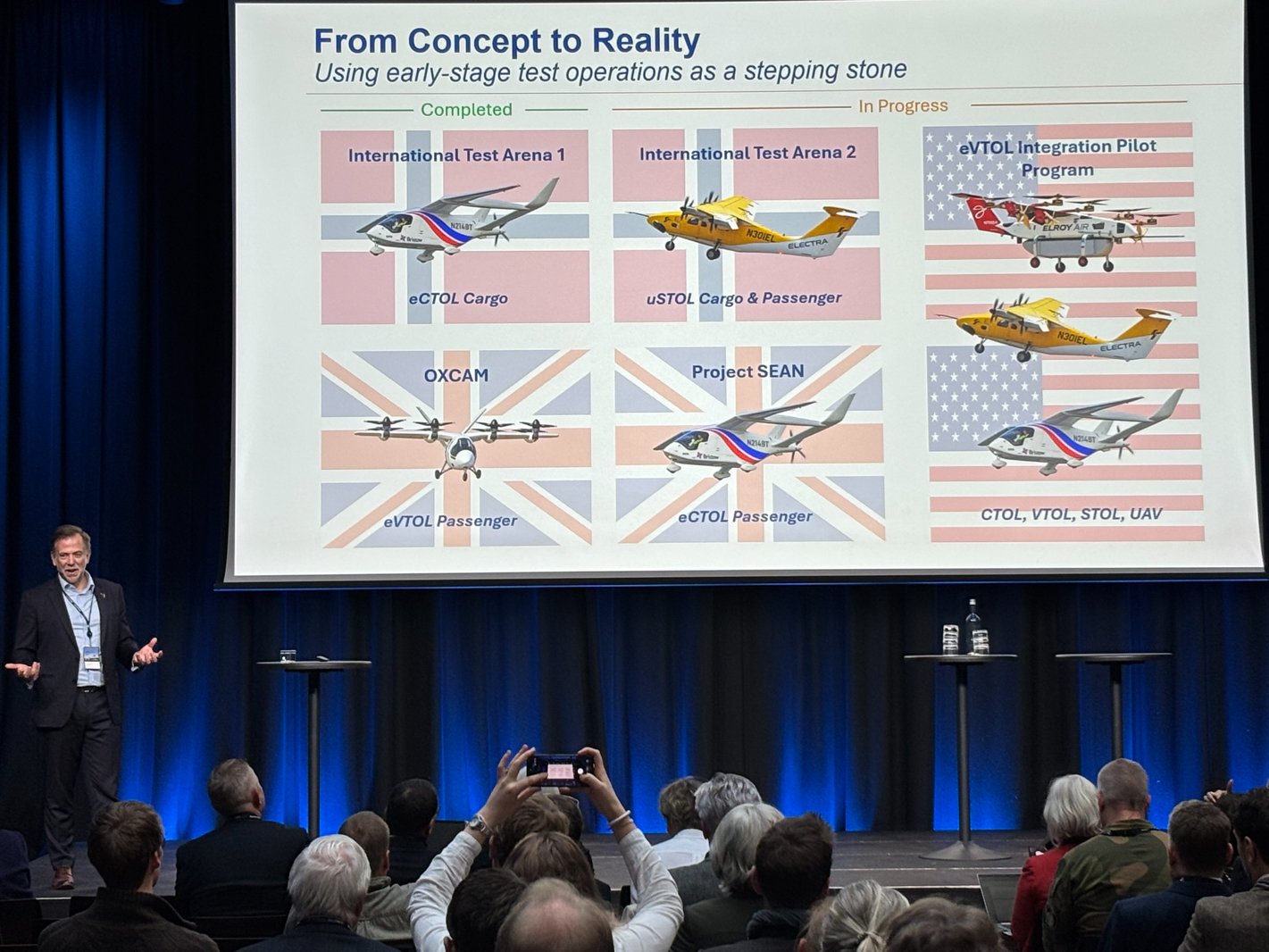
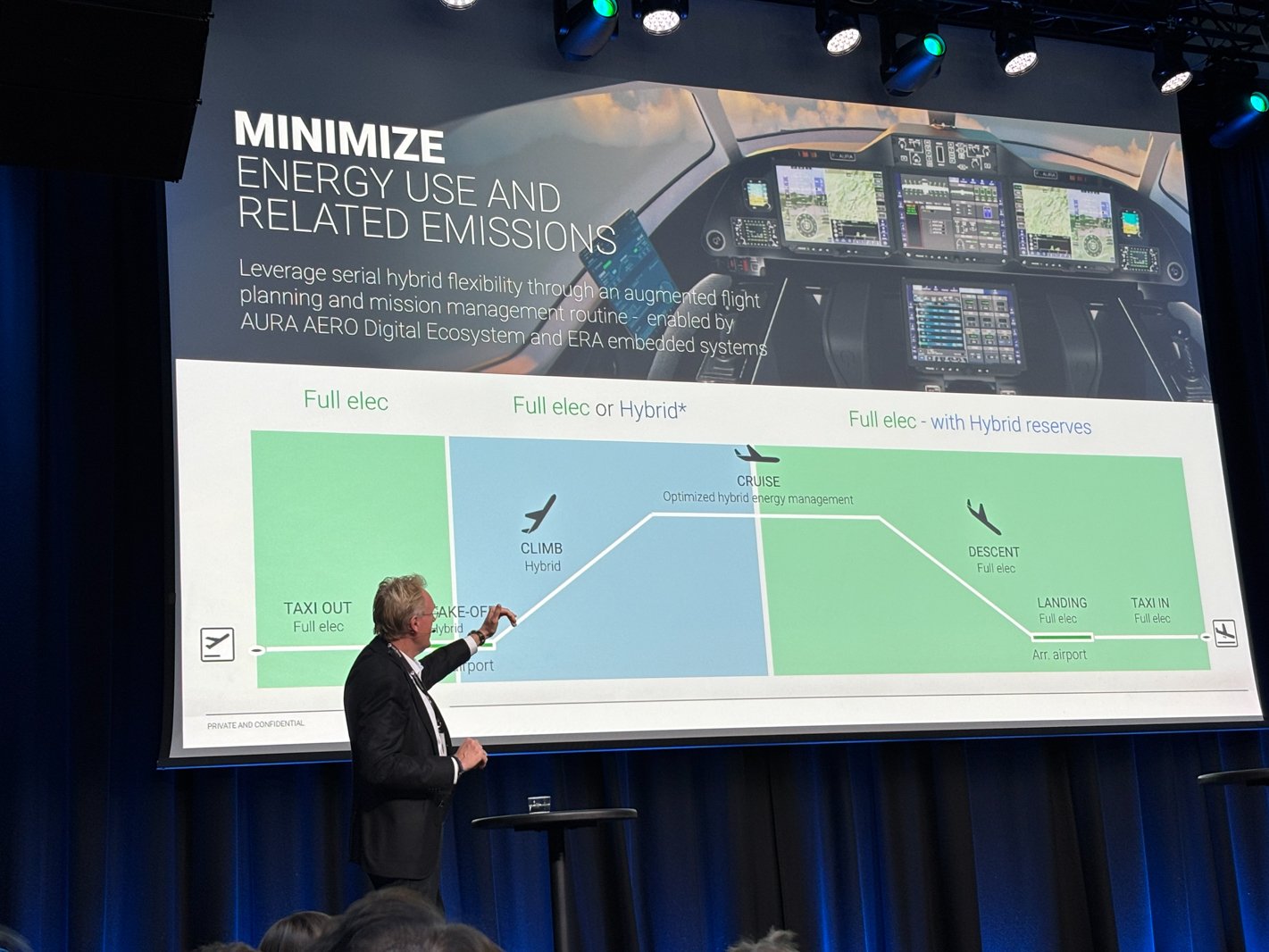
The conference brought together leading aircraft manufacturers, airports, aviation authorities, research organisations and investors to discuss the next steps in the transition to sustainable aviation. Participants included representatives from Electra, Heart Aerospace, AURA AERO, Væridion, Airbus, Avinor, Norwegian Hydrogen, Bristow, Joby Aviation, HITRANS and Norwegian Air Ambulance, alongside regional development organisations and research institutes.
From technology demonstrations to operational deployment
One clear takeaway from the conference was that the aviation industry now needs to move beyond technology demonstrations towards operational deployment. Several speakers emphasised that the future of aviation is about more than developing new aircraft. Equally important is building strong ecosystems where aircraft manufacturers, airports, energy providers, research organisations, authorities and investors collaborate to enable the transition.
“What struck me most was that many of the challenges discussed are no longer primarily about the aircraft or the technology itself, but about how these new aircraft will be integrated into operational air transport systems. This is an area where we are already doing a great deal of work within Arctic Aviation Hub,” says Peter Sundberg.
Funding and test environments are critical to progress
Funding emerged as one of the major challenges in bringing new aircraft concepts and the infrastructure they require from development to commercial operation. Developing new aircraft types is both complex and capital intensive, making long term investment and public funding essential to a successful transition.
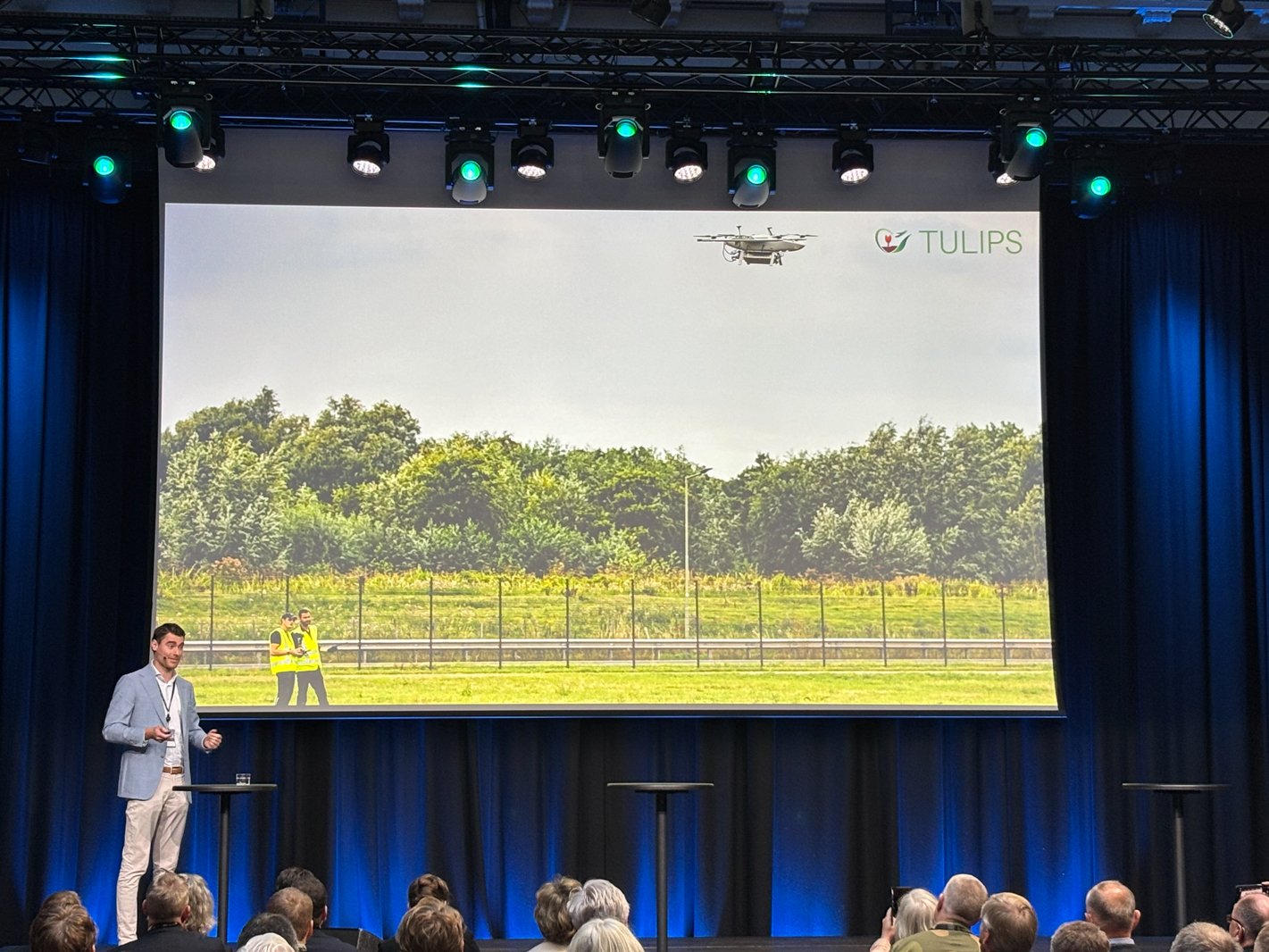
Several participants also highlighted the need for test and demonstration environments where new solutions can be validated under real operational conditions. Norway presented its initiative to establish a national test arena for regional aviation and future air mobility, while several aircraft manufacturers stressed the importance of demonstrating new technologies in realistic operational scenarios.
Skellefteå offers opportunities for testing and development
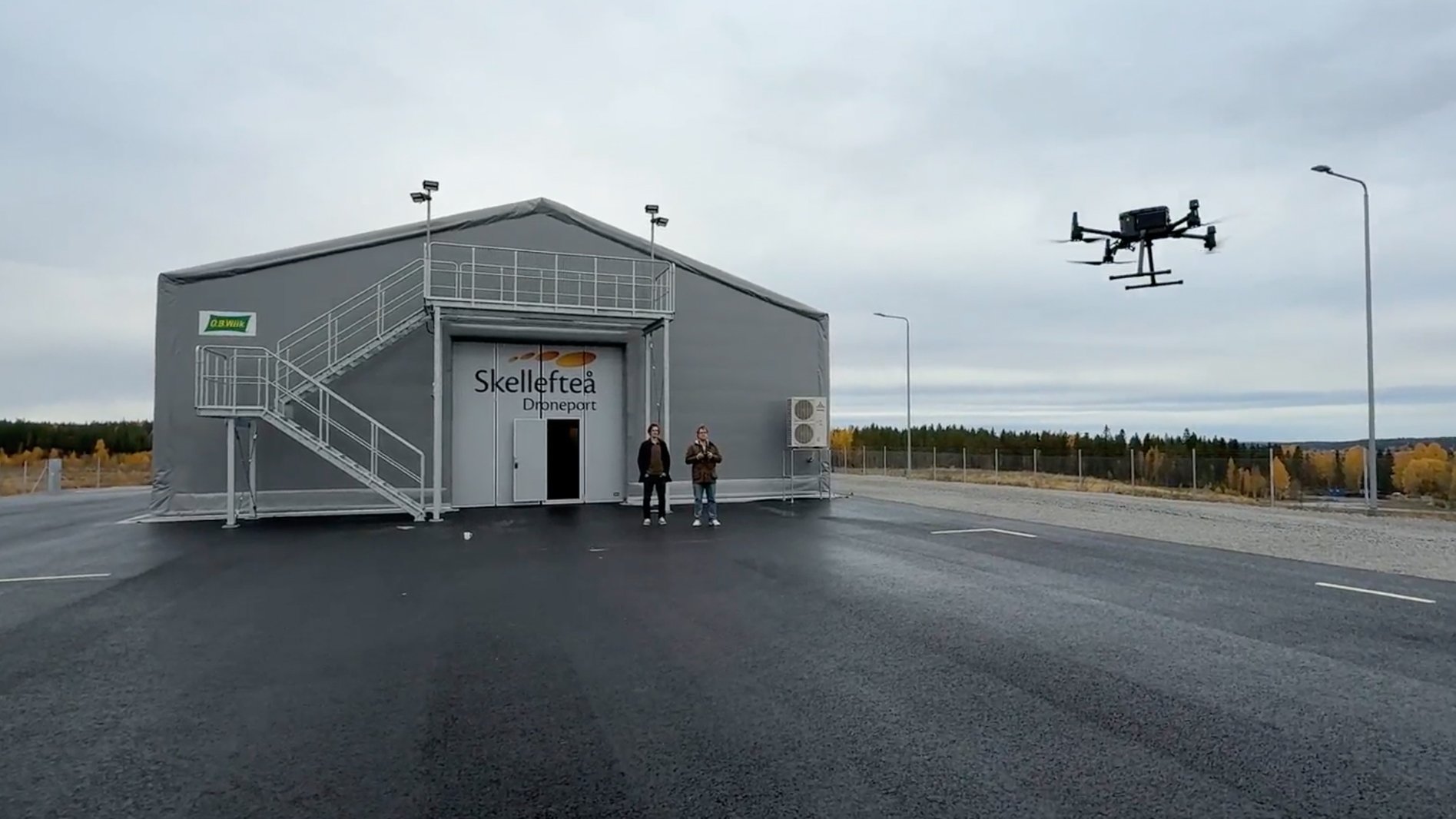
“There is strong interest in environments where new technologies can be tested, demonstrated and integrated into real world operations. The combination of Skellefteå Airport, Skellefteå Droneport, Skellefteå Campus, our available energy infrastructure and the Nordic climate puts us in a strong position to contribute to the next stages of development,” says Peter Sundberg.
The next step is to follow up on the connections made during the conference and explore opportunities for future collaboration, demonstration activities and international projects. The aim is to further strengthen Arctic Aviation Hub’s role in the development of the next generation of sustainable regional aviation.
Contact
Senior Project Manager

Share the article, copy the link
Latest news
Drone
02 Sep 2026
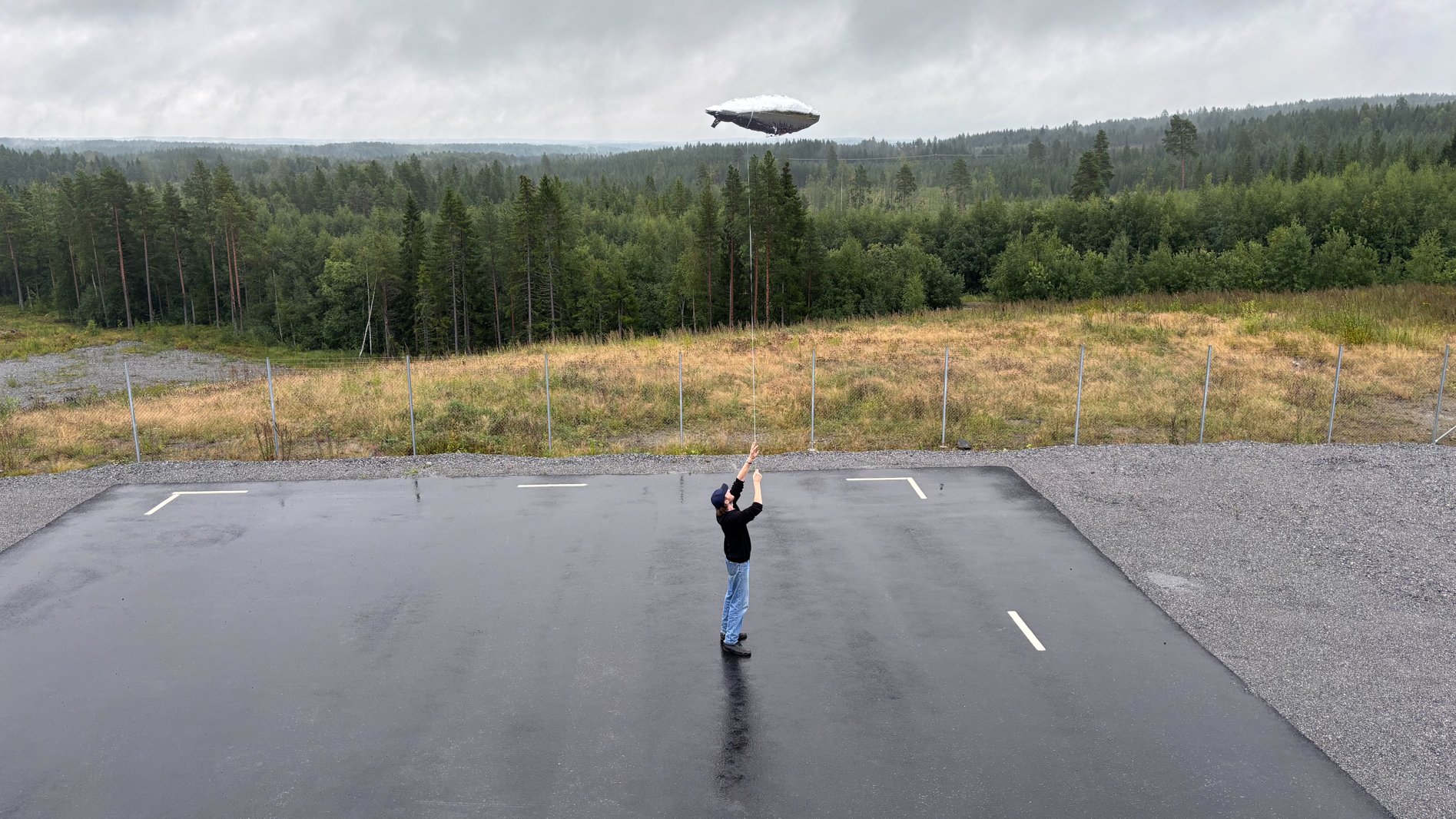
Hydrogen powered airship tested at Skellefteå Droneport
More than a century old aviation technology is being given new life as Elias Lingensjö develops a...
Drone
21 Aug 2026
New drone detection technology tested in Skellefteå
Unauthorized drones can pose a risk to both aviation and critical infrastructure. During Society ...

Drone
20 Aug 2026
Apply for funding to test your solution at Skellefteå Droneport
Does your company have an innovative solution that needs to be tested in a real world environment...